
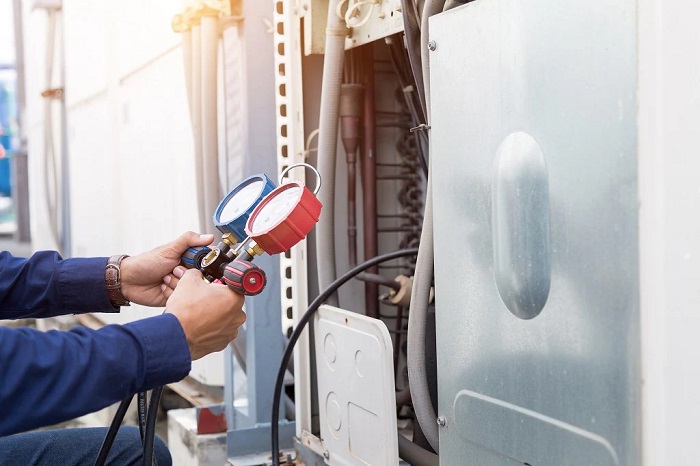
Checking a heating system is an important step in ensuring its efficient operation and safety. Proper diagnostics help identify potential faults, prevent damage, and significantly reduce the risk of emergency situations. Adherence to established rules and all inspection requirements ensure the longevity and energy efficiency of the system.
Checking stages include a visual inspection, pressure measurements, testing of heat exchangers and components, and testing the system in operating mode. If faults are detected, a heating repair is recommended—repair or replacement of worn components—to ensure the reliable operation of the heating system for a long time.
Step-by-step algorithm for checking a heating system to ensure efficiency
Before inspecting a heating system, it is important to familiarize yourself with regulatory requirements and regulations to ensure compliance with all safety and quality standards. Prepare all necessary tools and protective equipment, and review the technical documentation for the equipment. A thorough inspection helps identify potential faults and ensure the system’s efficient operation in the future.
The main goal is to diagnose the condition of heating devices, networks, and components, as well as verify their compliance with established standards. During the inspection, a sequence of steps should be followed to accurately determine the cause of malfunctions and eliminate them promptly.
Step-by-Step Algorithm for Inspecting a Heating System
- External Inspection of the System: Check for leaks, corrosion, insulation damage, and connection integrity.
- Heating Equipment Inspection: Ensure proper operation of radiators, boilers, and pumps; clean them and replace worn parts if necessary.
- Heat Exchanger and Valve Diagnostics: Check for clogged channels, jams, and leaks; clean and repair if necessary.
- Pressure and Temperature Measurement: Check system parameters using pressure gauges and thermometers to ensure that readings comply with regulatory requirements.
- Testing Automatic Systems and Controllers: Check the correct operation of automatic control systems, including thermostats and sensors.
- Conduct hydraulic testing: If necessary, conduct strength and tightness tests of the entire system, eliminating any identified leaks.
- Document test results: record all identified defects and perform any necessary repairs.
Check the operation of the circulation unit and heating devices for noise and vibration
During the heating system inspection, it is important to pay special attention to identifying and eliminating noise and vibration, which may indicate equipment malfunction or mechanical damage. Such signs can lead to reduced system efficiency and increased wear on its components. Therefore, experienced diagnostics and timely intervention ensure the longevity and reliability of the heating system.
The inspection procedure should include a careful inspection and listening to the operation of the circulation unit and heating devices, as well as conducting appropriate tests to identify potential faults. Accurate diagnostics allow for the timely elimination of the causes of noise and vibration, preventing more serious breakdowns and ensuring comfortable indoor conditions.
Stages for checking the operation of the circulation unit and heating devices for noise and vibration
- Visual inspection – Checking the fastenings, the integrity of the housing, and signs of mechanical damage.
- Listening to operation – Carefully listen to the operation of the unit and radiators to detect extraneous sounds and vibrations.
- Checking fastenings and balancing – Ensure that the fastenings are secure and that the equipment does not swing.
- System testing – Turn on and conduct test runs to identify characteristic noises in various operating modes.
- Analysis of results – Identifying the causes of noise and vibration, selecting measures to eliminate them.
Continuous monitoring Regularly checking the circulation unit and heating devices for noise and vibration is an important part of heating system maintenance. Proper troubleshooting and troubleshooting can improve system efficiency, reduce the risk of breakdown, and ensure comfortable indoor conditions.