
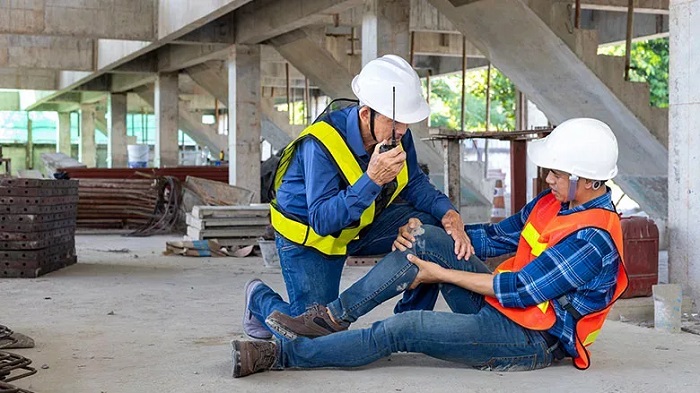
Occupational accident insurance is an important component of a business’s safety and security system. Properly executed insurance policies help minimize financial losses and ensure timely assistance to injured workers. In today’s environment, choosing the right terms and adhering to insurance contract rules is particularly important, as it helps build trust and stability in business.
This article focuses on issues related to business liability insurance Chicago, as this region is characterized by its own unique legislation and specific risks. This article presents basic rules and tips to help employers properly organize their insurance and protect their business from potential unforeseen circumstances.
Practical recommendations for choosing insurance programs for various manufacturing sectors
When choosing an occupational accident insurance program, it is important to consider the specifics of the business and the risks inherent in a particular industry. This will help ensure maximum employee protection and reduce potential financial losses for the company in the event of accidents or injuries.
Choosing the right insurance product requires analyzing the level of danger of the job, the number of people involved, and the working conditions. The higher the risk, the more comprehensive the insurance program should be, covering various injury and incident scenarios.
Recommendations for Choosing Insurance Plans for Different Industries
- Industrial Companies: Choose plans with expanded coverage for injuries related to production equipment and additional payments for long-term disability.
- Construction Companies: Insurance plans that cover injuries sustained on the construction site and third-party liability insurance are preferable.
- Transportation and Logistics: Consider plans with rapid response and coverage for injuries related to road accidents, as well as driver and cargo insurance.
- Service and Office Industries: In this area, basic plans guaranteeing payments in the event of an accident and providing treatment and rehabilitation are sufficient.
It is also recommended to consider expanding the program with additional options, such as life insurance, Compensation for the rehabilitation and psychological support of victims. It is important to consult with professional agents and tailor insurance to the specifics of your specific activity.
Best Strategies for Minimizing Risks and Reducing Insurance Payouts in Hazardous Production Environments
In hazardous production environments, it is important not only to properly obtain insurance policies but also to proactively take measures to minimize potential risks and reduce potential insurance payouts. An effective strategy includes a combination of preventative measures, employee training, and the implementation of modern safety technologies.
Companies that adopt a systematic approach to occupational safety management benefit from a reduced likelihood of accidents and reduced associated costs. Let’s consider the main practical measures that contribute to achieving these goals.
Key Strategies for Minimizing Risks and Reducing Insurance Payments
- Implementing an occupational health and safety management system – developing and strictly enforcing safe work practices, conducting regular inspections and safety audits at the workplace.
- Training and improving the skills of employees – conducting regular training, briefings, and education on new technologies and safety precautions.
- Using modern protective equipment – providing employees with personal protective equipment, automated systems for monitoring and controlling the condition of equipment.
- Conducting preventive inspections and maintenance – regularly inspecting equipment and promptly eliminating any identified defects.
- Developing and implementing emergency plans – preparing employees for emergency response, conducting evacuation drills, and performing drills.
- Investing in modern technologies and process automation – using robotics, remote monitoring, and intelligent production control systems to reduce risks Human factor.
Implementing the above measures can significantly reduce the likelihood of accidents and the amount of potential insurance payments through preventative measures. Safety-focused companies will not only protect their employees but also achieve economic efficiency by reducing insurance claims and compensation costs.
In hazardous production environments, a systematic and comprehensive approach to management is key to ensuring safety and reducing insurance payments risks. The right strategy includes incident prevention, staff training, and the use of modern technologies. These measures help minimize risks, improve worker safety, and ensure long-term business sustainability.