
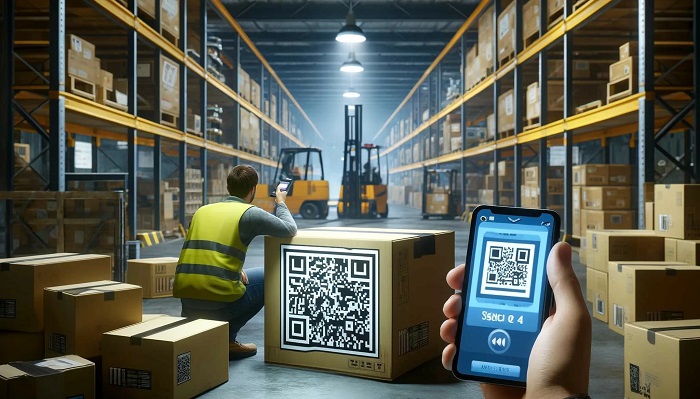
In modern business models, a situation is increasingly common where a company owns physical equipment, but places it not on its own territory, but with clients. These can be coffee machines, vending machines, refrigeration equipment, POS terminals, advertising displays, technical installations and other devices that operate on third-party sites.
This model makes it possible to expand the presence of a business, but at the same time creates a serious operational problem – control over assets becomes distributed and less transparent.
What is the problem with accounting for equipment from clients?
When the equipment is outside the company, the company continues to be responsible for it, but loses direct control over its condition and movement. Without a specialized system, typical difficulties arise:
- lack of precise understanding of equipment location;
- inability to quickly determine who is responsible for the device;
- lack of up-to-date information on technical condition;
- difficulties in tracking repairs and service;
- risk of loss, replacement or unauthorized movement of equipment;
- lack of a unified asset reporting system.
As a result, the business loses management transparency and faces increased operating costs.
How the QR Assets system works
The QR Assets customer site equipment management software platform was created to manage distributed physical assets and solves the problem of accounting for them on the client side.
The system consists of two key components: a web application and a mobile application, which work together.
Web application for data management
The web interface is used by managers and administrators to centrally manage all equipment data. Through it you can:
- maintain a register of all assets;
- track the location of equipment;
- manage service history;
- generate reports;
- control the life cycle of devices.
This creates a unified digital database of all accounting objects. Thanks to centralized accounting and mobile access, companies can significantly increase the efficiency of service processes. Technicians receive up-to-date information on site, and managers receive a complete picture of equipment status in real time.
This reduces downtime, speeds up maintenance and improves quality control.